Species in initially intact forest landscapes are particularly vulnerable to forest loss

This guest blog post by Matthew Betts was originally posted by Nature, Ecology & Evolution. I’ve spent the better part of the past 15 years studying whether there are thresholds in habitat loss below which species and associated ecosystem processes decline abruptly. In an era when human population exceeds 7 billion and habitat in many […]

Species in initially intact forest landscapes are particularly vulnerable to forest loss Read More »
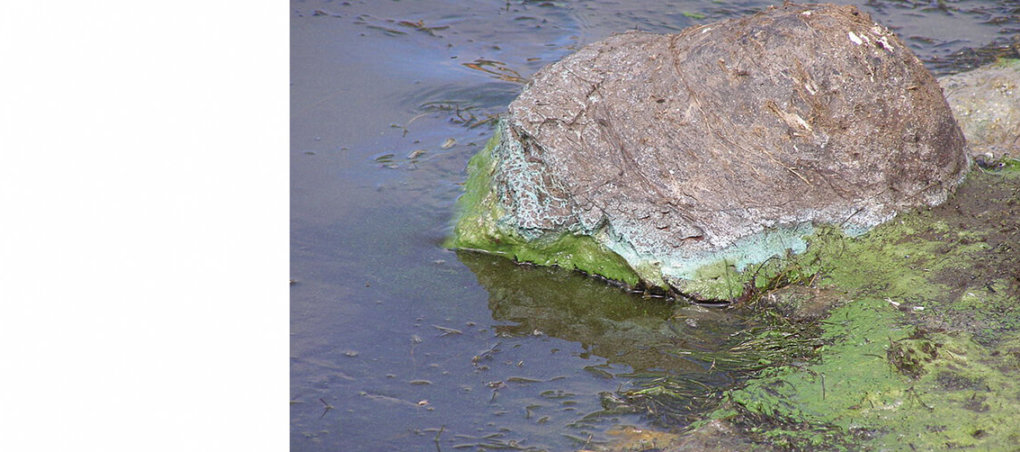
EcoNews — What you need to know about blue-green algae this summer

In this edition of EcoNews, we bring you our primer on blue-green algae after the Department of Health issued an advisory for Nashwaak Lake earlier this week; we update you on the latest news regarding the tragic deaths of north Atlantic right whales off the waters of N.B.; share encouraging news about a community in

EcoNews — What you need to know about blue-green algae this summer Read More »

Canada’s pesticide regulator “captured by industry”

The Conservation Council’s Executive Director, Lois Corbett, was quoted in a July 26 National Observer article about Canada’s problematic pesticide management agency. In the article, investigative journalist Bruce Livesey (a Fredericton High School graduate in the 80s) takes an in-depth look at the failings of Health Canada’s Pest Management Regulatory Agency (PMRA) to protect people,

Canada’s pesticide regulator “captured by industry” Read More »

Tracadie-Sheila looking at by-law to ban glyphosate

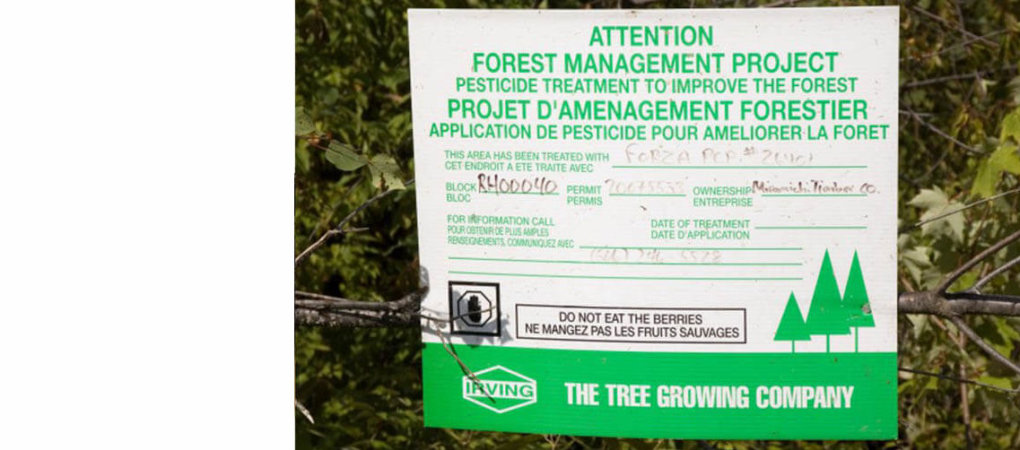
Tracadie-Sheila town council is considering a by-law to ban the use of glyphosate within the municipality, Radio-Canada reports. Glyphosate is the active ingredient in the herbicides Vision, Vision Max and Forza, which are widely used by forestry companies on New Brunswick’s Crown forest. Radio-Canada reports that Tracadie-Sheila is looking at banning the chemical, prompting questions over

Tracadie-Sheila looking at by-law to ban glyphosate Read More »

Mayors who preserve wetlands save big bucks, study finds

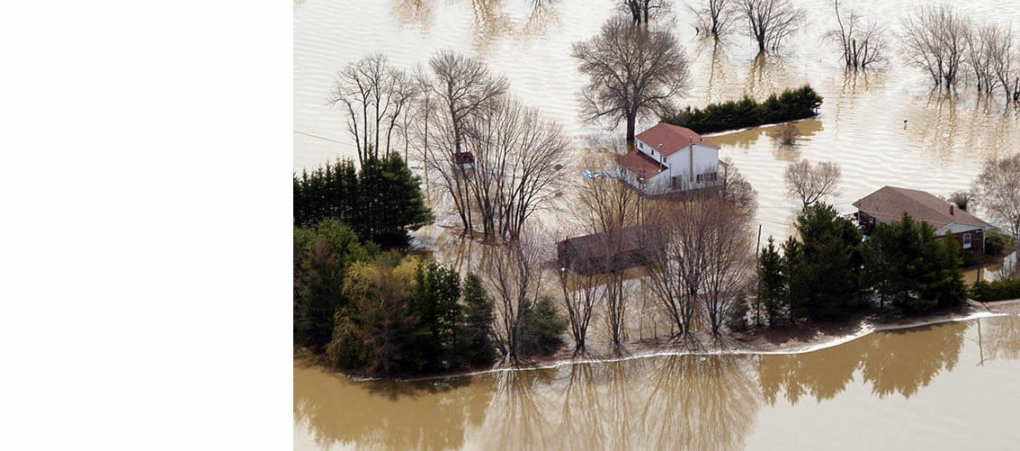
A new report says Canada’s cities and towns should leave wetlands intact if they want to save money when it comes to damages brought on by flooding linked to climate change. As we already know, wetlands, including our bug-ridden bogs, marshes and slimy swamps, are natural flood-water sponges that can easily and quickly absorb excessive

Mayors who preserve wetlands save big bucks, study finds Read More »

Climate change has no borders: Conservation Council attends 24th CEC meeting

On June 26, the Conservation Council’s Executive Director, Lois Corbett took a trip to Charlottetown, P.E.I., with Freshwater Intern Kaleigh Holder and Summer Student Coordinator Jimy Beltran, to attend the 24th Council Session of the Commission for Environmental Cooperation (CEC). What is the CEC? Formed in 1994, the CEC’s objective is to work with Canada,

Climate change has no borders: Conservation Council attends 24th CEC meeting Read More »

Conservation Council spreading the power of pollinators

The Conservation Council’s recent effort to help teach New Brunswick kids about the power of pollinators was highlighted in a Telegraph-Journal story, published July 23, focused on pollinator education events and activities happening around the province this summer. “It’s been a lot of smiling faces and I think they’ve been enjoying getting their hands dirty

Conservation Council spreading the power of pollinators Read More »

Eighth right whale death sparks call for “complete review” of shipping lanes

Updated on July 27 Another north Atlantic right whale has been found dead in the Gulf of St. Lawrence. The CBC reports that the whale — now the eighth found dead in the gulf since June 6 — was spotted by a plane with the U.S. National Oceanographic and Atmospheric Administration. The plane also found

Eighth right whale death sparks call for “complete review” of shipping lanes Read More »

Scroll to Top